
You’ve probably seen it on social media: athletes dunking into ice, then stepping straight into a sauna, then back again. It looks extreme. But contrast therapy is one of the most well-researched recovery tools available, and when done correctly, the physiological benefits are substantial.
At Social Remedy, contrast therapy is one of the simplest and most accessible things you can do for your body. No booking required. Walk in, follow a protocol, feel the difference.
Here is what the science says — and how to actually do it.
What Is Contrast Therapy?
Contrast therapy is the deliberate alternation between cold and heat exposure. Typically, this means moving between an ice bath and a sauna or steam room in structured intervals.
The principle is hormesis — a biological phenomenon where short-term, controlled stress triggers a strong adaptive response that leaves the body stronger and more resilient than before.
Heat and cold are two of the most potent hormetic stressors available to us, and cycling between them amplifies the benefits of each.
What the Science Actually Says
Cold Exposure: Norepinephrine, Inflammation and Mood
When you enter cold water, your body undergoes an immediate stress response. Your blood vessels constrict (vasoconstriction), your heart rate spikes, and your brain releases a surge of norepinephrine — a neurotransmitter and hormone associated with focus, alertness, and mood regulation.
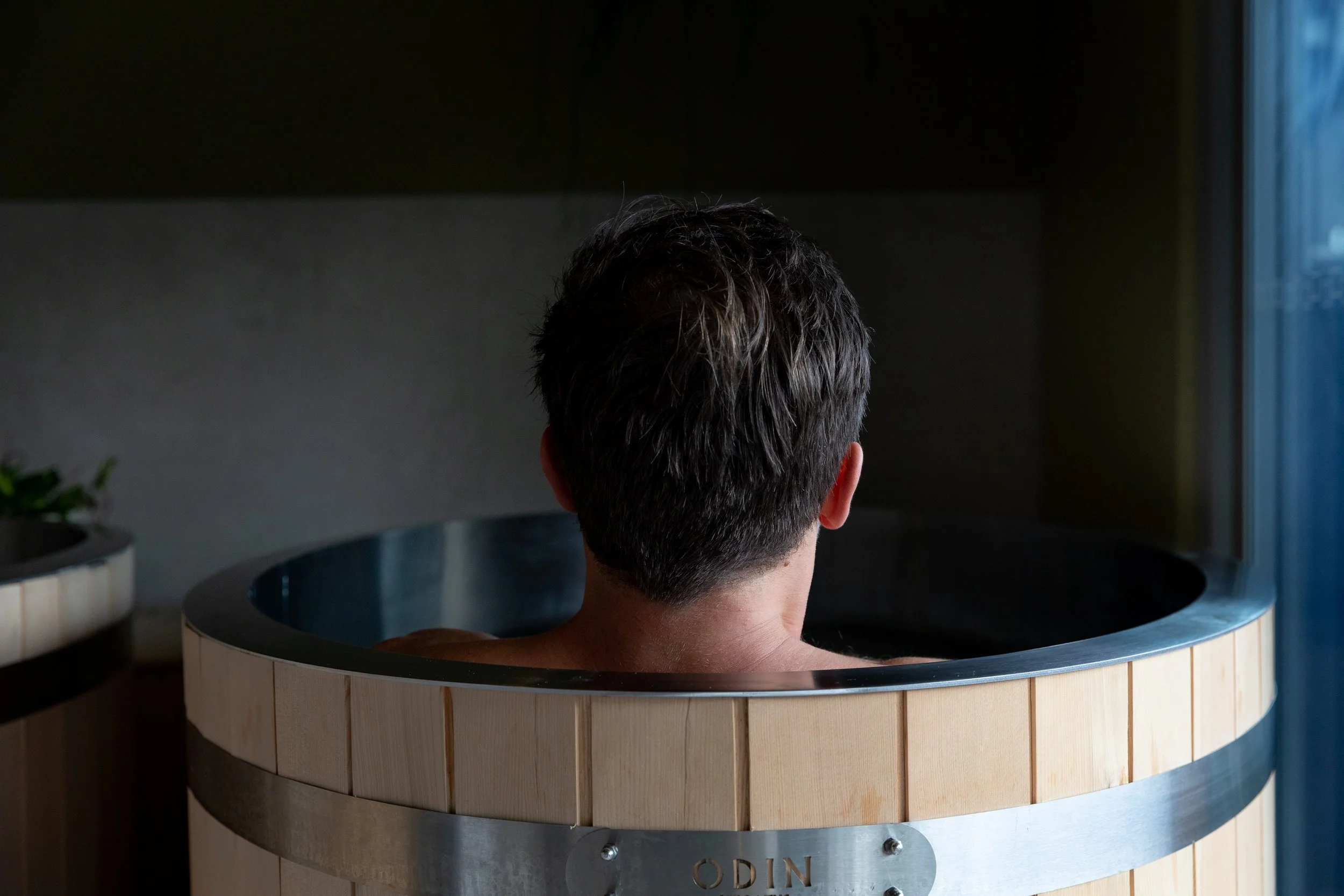
Research published in Medical Hypotheses found that cold water immersion can increase norepinephrine levels by up to 300%.
This is one reason why regular cold exposure is associated with reduced anxiety and improved mood — it essentially forces your nervous system to practise managing a stress response, and over time, that regulation becomes easier.
Cold also reduces systemic inflammation by slowing blood flow to peripheral tissues, which is why it is so effective for post-training soreness and acute injury recovery.
Heat Exposure: Cardiovascular Load, Heat Shock Proteins, and Longevity
Heat does the opposite. Blood vessels dilate, heart rate increases, and your body works hard to regulate core temperature. This cardiovascular load has real training effects — repeated sauna use has been shown to improve plasma volume and cardiac output in ways that mirror moderate aerobic exercise.
Heat also triggers the production of heat shock proteins — molecular chaperones that repair damaged proteins and protect cells from future stress. A landmark study from the University of Eastern Finland found that men who used a sauna 4–7 times per week had a 40% lower risk of all-cause mortality compared to those who used it once a week.
Beyond longevity markers, heat exposure promotes deep muscle relaxation, improves sleep quality, and is powerfully parasympathetic — meaning it activates the rest-and-digest state that most people spend too little time in.
The Combination Effect: Why Contrast Works Better Than Either Alone
Alternating between cold and heat creates a "vascular pump" effect. The rapid cycle of vasoconstriction (cold) and vasodilation (heat) drives blood and lymphatic fluid through tissues more aggressively than either stimulus alone. This accelerates the clearance of metabolic waste — lactic acid, inflammatory cytokines — and delivers fresh oxygen and nutrients to recovering muscle tissue.
A 2021 systematic review in the British Journal of Sports Medicine confirmed that contrast water therapy outperformed cold water immersion alone for reducing delayed onset muscle soreness (DOMS) in the 24–96 hours following intense exercise.
The Protocol: How to Do Contrast Therapy at Social Remedy
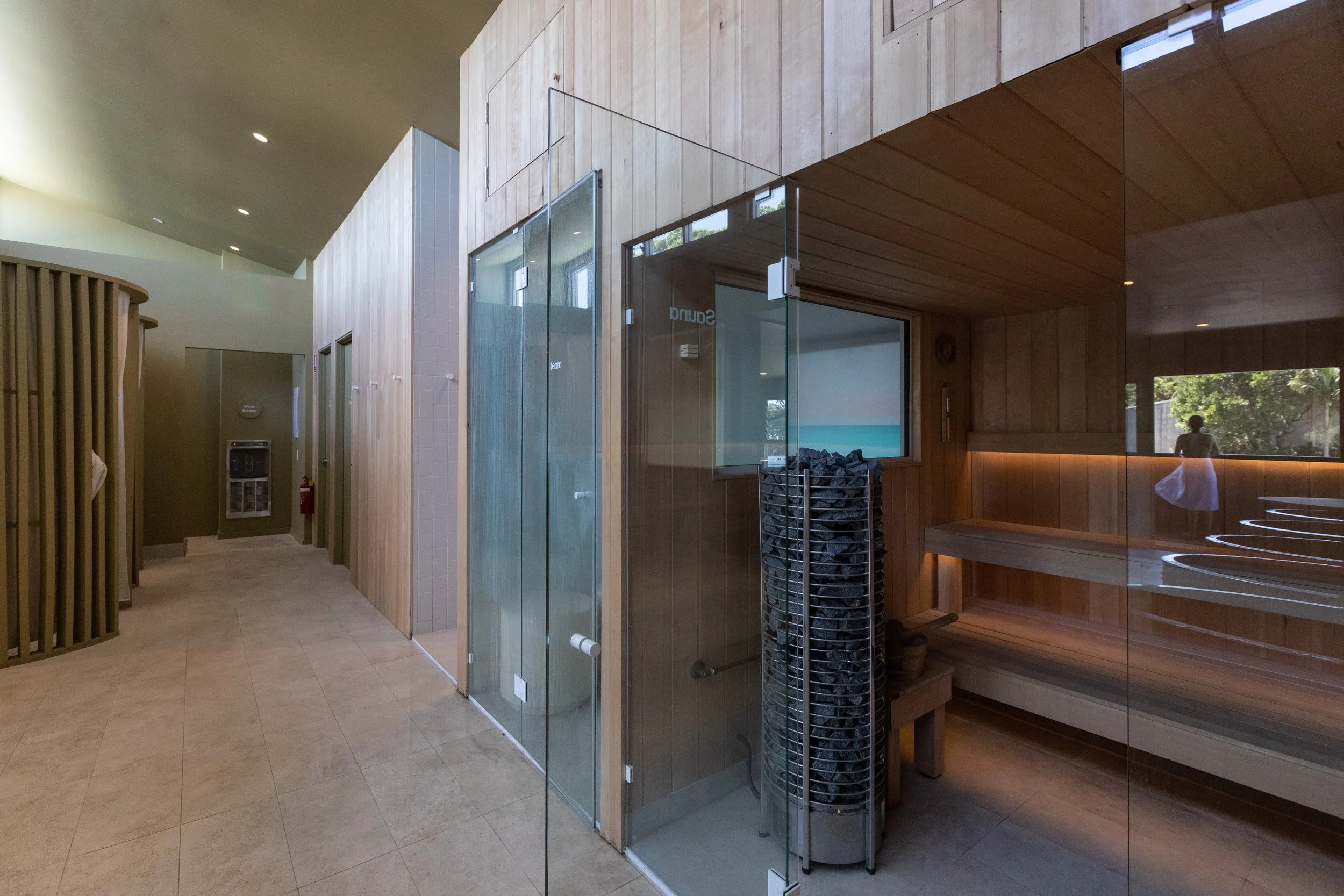
Our ice baths, sauna, and steam room are open for walk-ins during recovery hours — no appointment needed.
Here is a straightforward protocol to follow:
Beginner Protocol — Remedy Cycle
Remedy Cycle
Signature Recovery Protocol
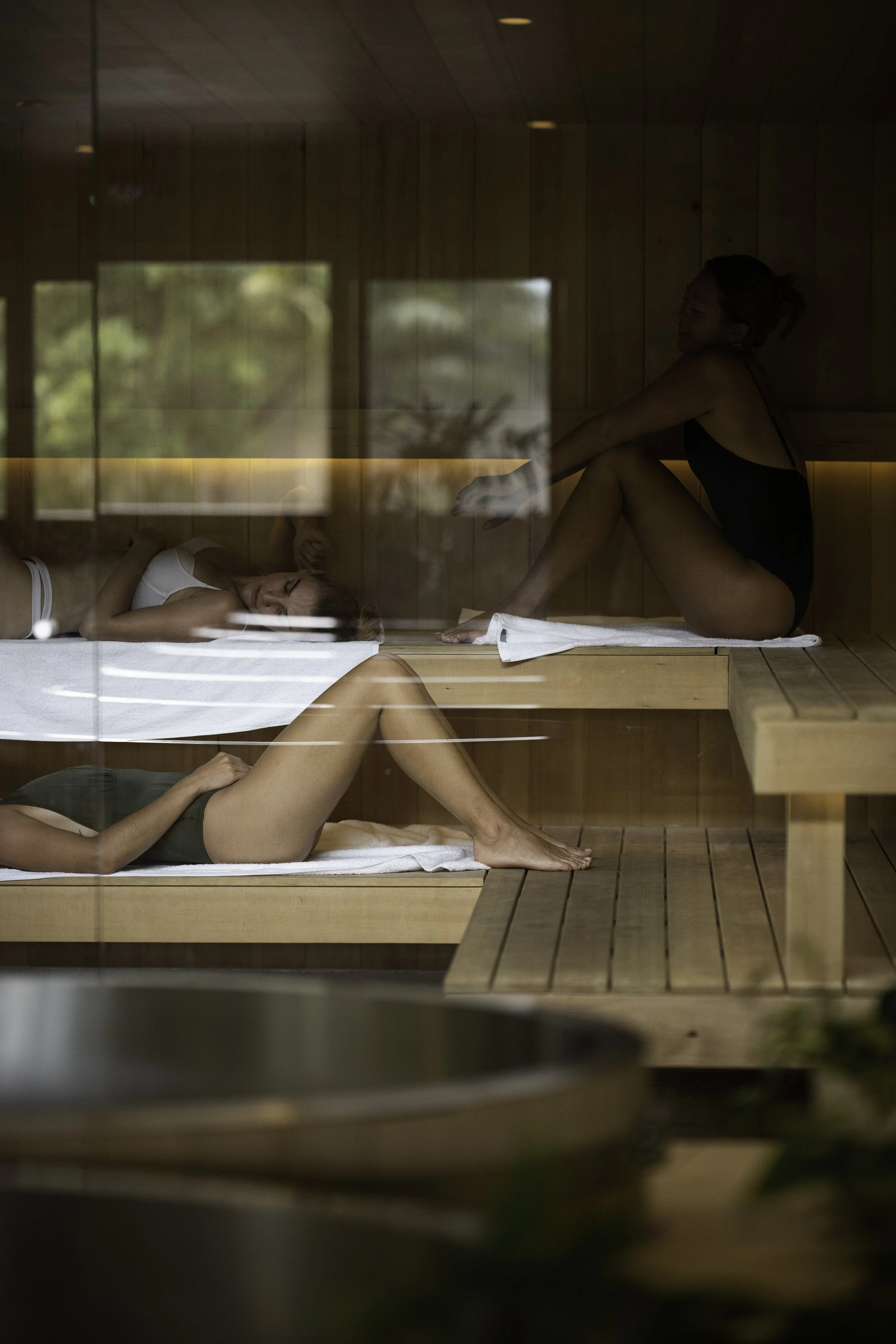
- Finnish Sauna 8–12 min
- Cool Rinse & Rest 30–60 sec
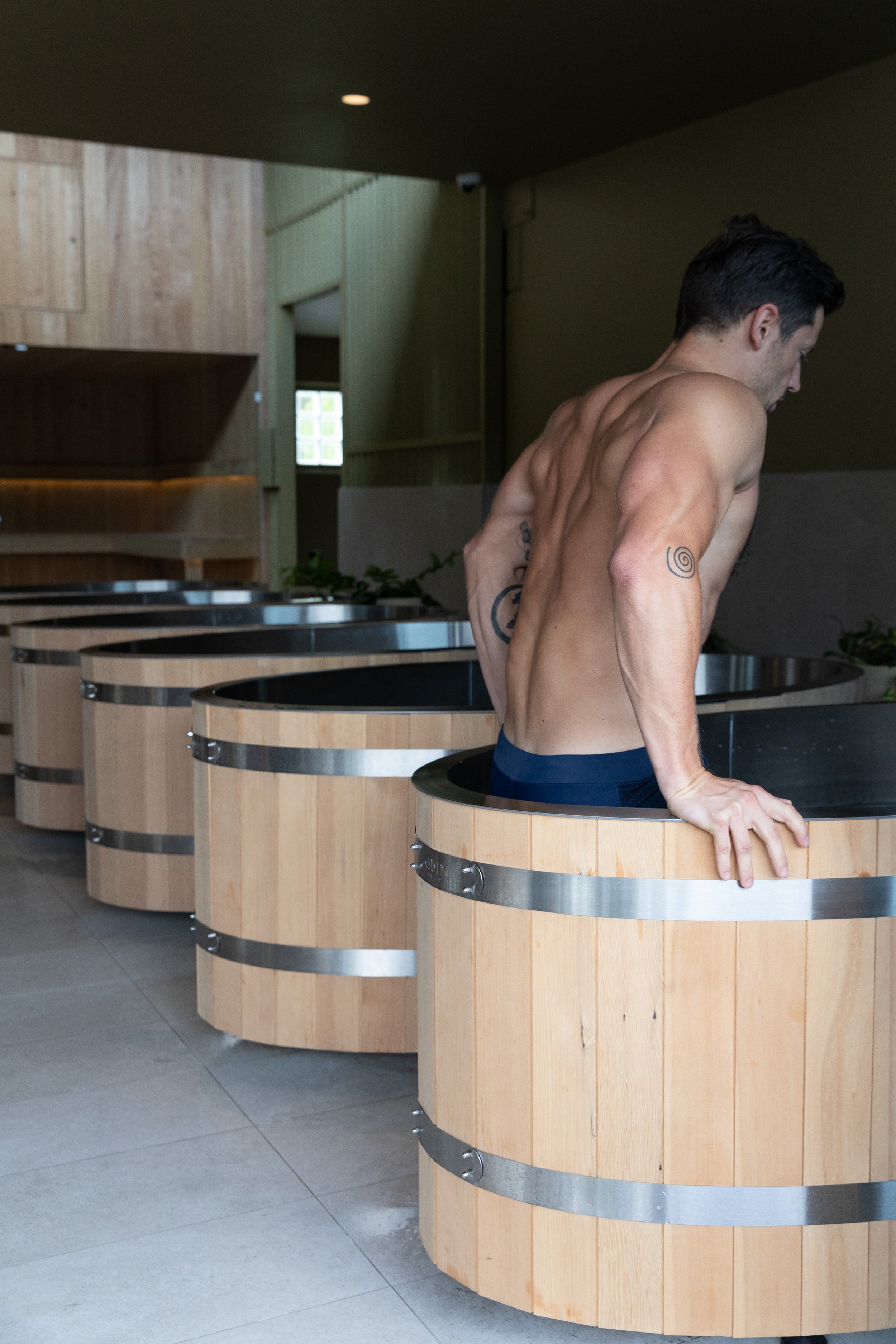
- Ice Bath 1–3 min
- Rest & Repeat Optional
- Finish With Ice to energise · Heat to relax
Best For
Conditioning, pilates, cardio, post-mobility, rest days
Always start with heat. Beginning in the sauna warms your tissues and prepares the cardiovascular system for cold shock. Jumping straight into an ice bath cold is more jarring and less effective.
End on cold if your goal is recovery, alertness, or inflammation reduction.
End on heat if your goal is relaxation, sleep quality, or stress relief.
Intermediate Protocol — Peak Performer
Peak Performer
Advanced Heat-Cold Protocol
- Finnish Sauna 15+ min
- Ice Bath 3 min
- Passive Rest 2–3 min
- Repeat 2–3 cycles
- Finish With Steam Room, 10 min
Best For
Experienced users, performance-focused recovery
Three rounds gives you a more complete vascular pump stimulus and is appropriate once you have built cold tolerance over several sessions.
Downregulation Protocol — Deep Rest
Deep Rest
Nervous System Reset
- Steam Room 8–12 min
- Warm Shower 1–2 min
- Finnish Sauna 8–10 min
- Cool Rinse 15–30 sec
- Finish With Quiet sitting
Best For
Stress relief, burnout, sleep support, post-strength, evening
The key for this protocol is to relax and breathe deeply. Don’t push your body. Your nervous system will thank you.
A Few Rules That Matter
Hydrate before, during, and after. Heat and cold both drive fluid loss. Bring water in with you. Electrolytes or a pinch of salt make it even better.
Do not force the cold. Two to three minutes is sufficient for physiological benefit — 11 minutes per week is otimal. There is no performance prize for suffering longer.
Sit in the cold rather than submerging your head. Cold water immersion of the torso and limbs is where most of the benefit comes from.
Listen to your body. Dizziness, nausea, or feeling unwell are signals to exit immediately and rest.
Who Benefits Most
Contrast therapy is not just for elite athletes. The people who tend to get the most out of a regular protocol include:
High-Volume Trainers.
If you are training 4–5+ sessions per week — whether that is strength work, reformer Pilates, or conditioning — contrast therapy can be the difference between recovering in 24 hours versus 48.
High-Stress Professionals.
The norepinephrine spike from cold exposure, followed by the parasympathetic drop of heat, is a full nervous system reset. Many members report it as more effective than an hour of meditation for clearing mental fog.
Anyone Dealing With Chronic Inflammation or Muscle Soreness.
If aches and tightness are limiting your training, alternating heat and cold targets the physiology of inflammation directly. Pair this with compression therapy for a more complete recovery session.
Visitors to Byron Bay.
If you are here for a week and want to leave feeling genuinely better than when you arrived, a few contrast sessions will do more for your body than almost anything else you can fit into a short stay. Holiday passes are available — no membership required.

Frequently Asked Questions
How cold is the ice bath at Social Remedy?
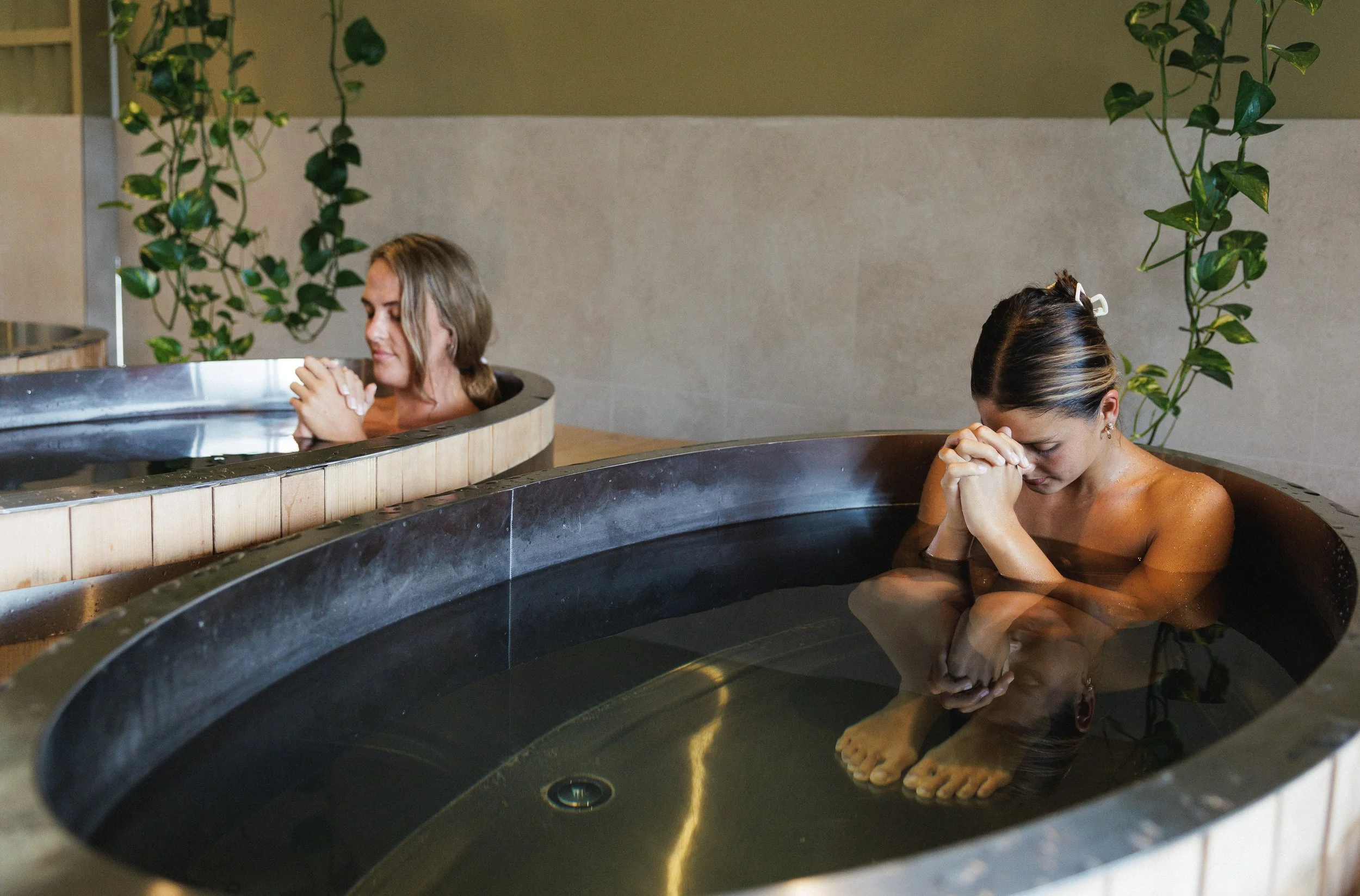
Our ice baths are maintained at a temperature cold enough to trigger a genuine physiological response — typically between 10–15°C. This range has been shown in research to be the therapeutic sweet spot for vasoconstriction and norepinephrine release.
How often should I do contrast therapy?
Two to three times per week is the research-backed sweet spot for most people. Daily use is possible but the hormetic benefits plateau without recovery time between sessions.
Can I do contrast therapy on the same day as a hard workout?
Yes — and this is actually one of the best use cases. Doing contrast therapy within a few hours of an intense training session accelerates the acute inflammatory response and reduces next-day soreness. Members receive 10% off all recovery treatments.
Is contrast therapy safe for everyone?
It is not recommended for people with uncontrolled hypertension, cardiovascular conditions, Raynaud's disease, or during pregnancy without medical clearance. If you are unsure, speak with our team during staffed hours.
What is the difference between contrast therapy and cryotherapy?
Cryotherapy exposes your body to extreme cold (around -110°C) for a very short window (2–3 minutes) in a cryotherapy chamber. It is faster and reaches a deeper cold stimulus. Contrast therapy combines cold and heat and has stronger cardiovascular and lymphatic benefits due to the vasodilation cycle. Both are available at Social Remedy — your goal determines which is right for you. You can also combine treatments in a recovery package for a more targeted session.
Try It at Social Remedy
Our ice baths, Finnish sauna, and steam room are open to members and non-members alike during recovery hours — no booking needed.
If you want to go deeper, pair your contrast session with compression therapy to clear lactic acid from the legs, or book an infrared sauna session before you leave for penetrating heat that works differently to a traditional sauna.
For locals wanting full access to everything — gym, classes, and recovery — explore our membership options or claim your 3-day trial.
Your body adapts to what you give it. Give it contrast.
Social Remedy is Byron Bay's Social Wellness Club, located at 1A Banksia Drive.
Recovery space open Mon–Fri 6:30am–8:30pm, Sat 7am–6pm, Sun 10am–5pm.
