
Reformer Pilates: Strength, Structure, and Smarter Training
Reformer Pilates has moved well beyond its reputation as a gentle or rehabilitative practice. Across Australia, it has become one of the most sought-after training methods for people who want to build strength, improve posture, reduce injury risk, and create a routine they can sustain long-term.
As fitness trends shift away from “more intensity at any cost” and toward smarter, more balanced training, Reformer Pilates sits at the intersection of performance, longevity, and recovery.
At Social Remedy, we see Reformer Pilates not as a replacement for gym training, but as a powerful complement to it.
What makes Reformer Pilates different?
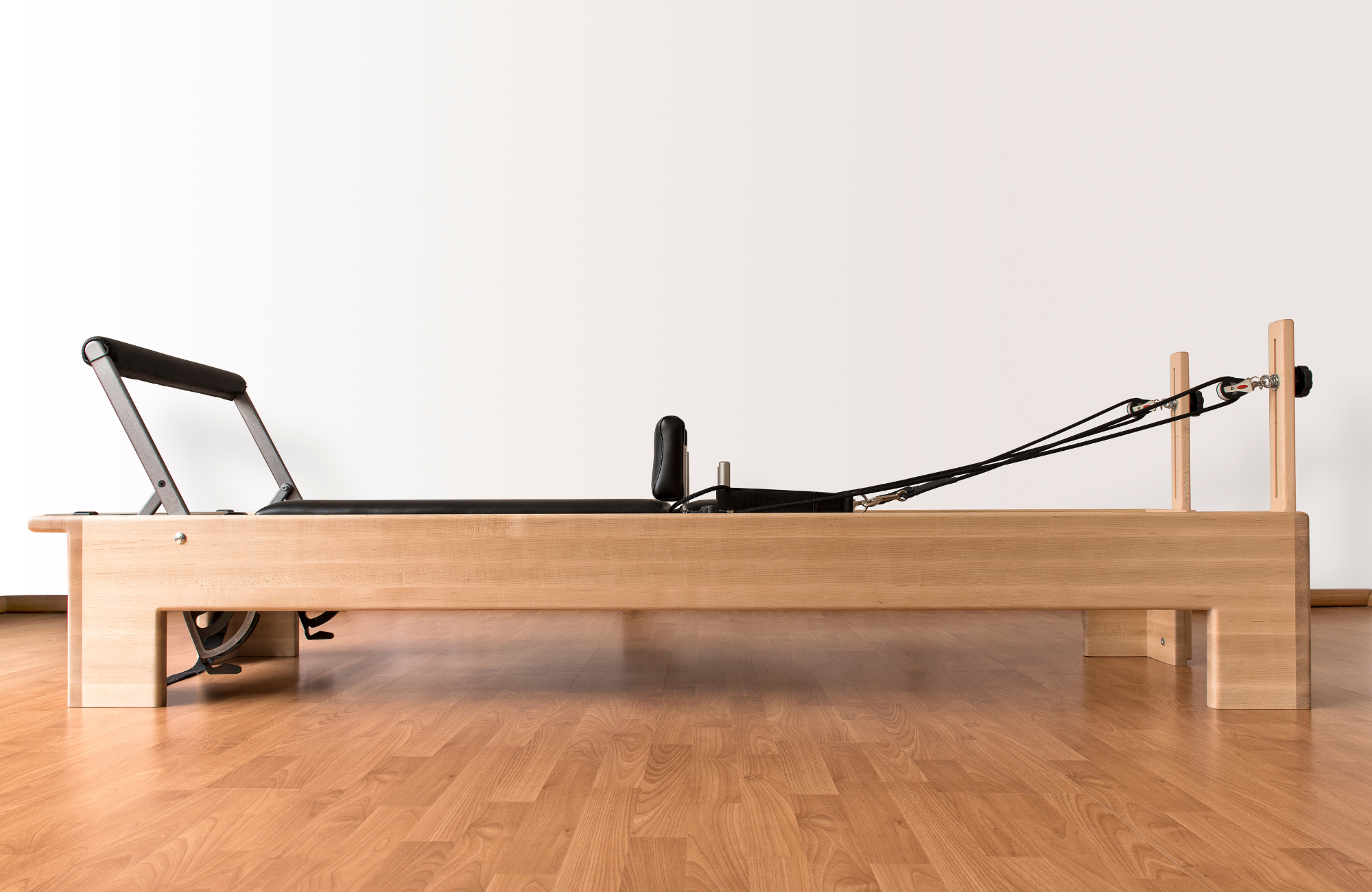
Reformer Pilates
uses a spring-loaded carriage system to create controlled resistance, allowing you to strengthen muscles through precise, supported movement.
Unlike free weights or machines that often prioritise load, the reformer emphasises:
Deep core engagement
Joint stability and alignment
Controlled tempo and breath
Balanced strength across the body
This makes it particularly effective for building strength without excessive impact or wear on the joints.
For many people, it also removes a major barrier to consistency: fear of injury or “doing it wrong.”
Why Reformer Pilates fits modern training goals
We’re seeing with our members at Social Remedy (+ fitness trends in Australia in general)
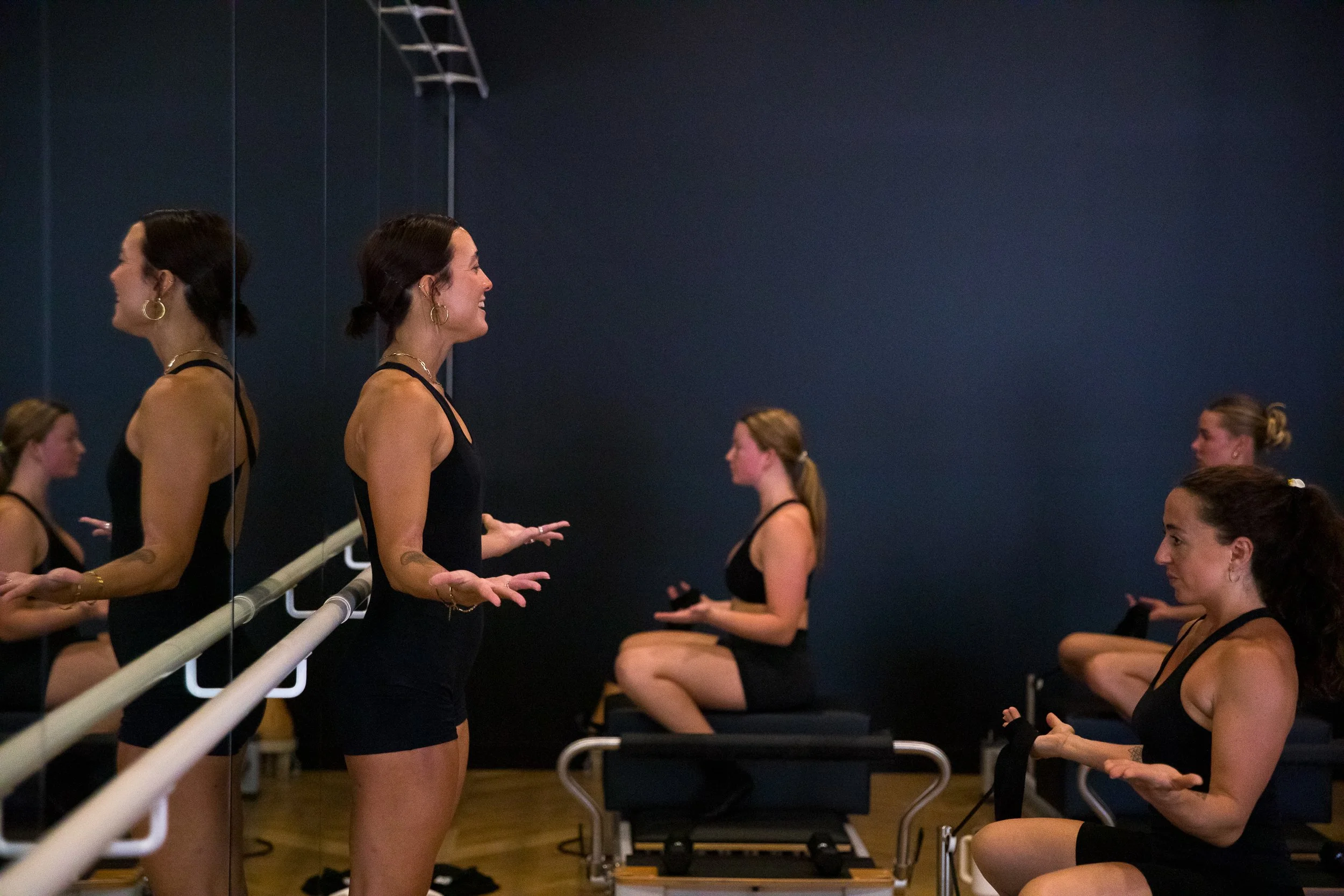
a clear shift toward:
sustainable routines
injury-aware training
nervous system regulation
visible results without burnout
Reformer Pilates meets these needs because it trains the body as a system, not just individual muscles. Regular practice can improve posture, movement efficiency, and body awareness — all of which carry over into better gym performance and everyday life.
How Reformer Pilates supports better results in the gym
One of the biggest misconceptions is that Pilates and strength training compete with each other. In reality, they work best together.
Reformer Pilates helps by:
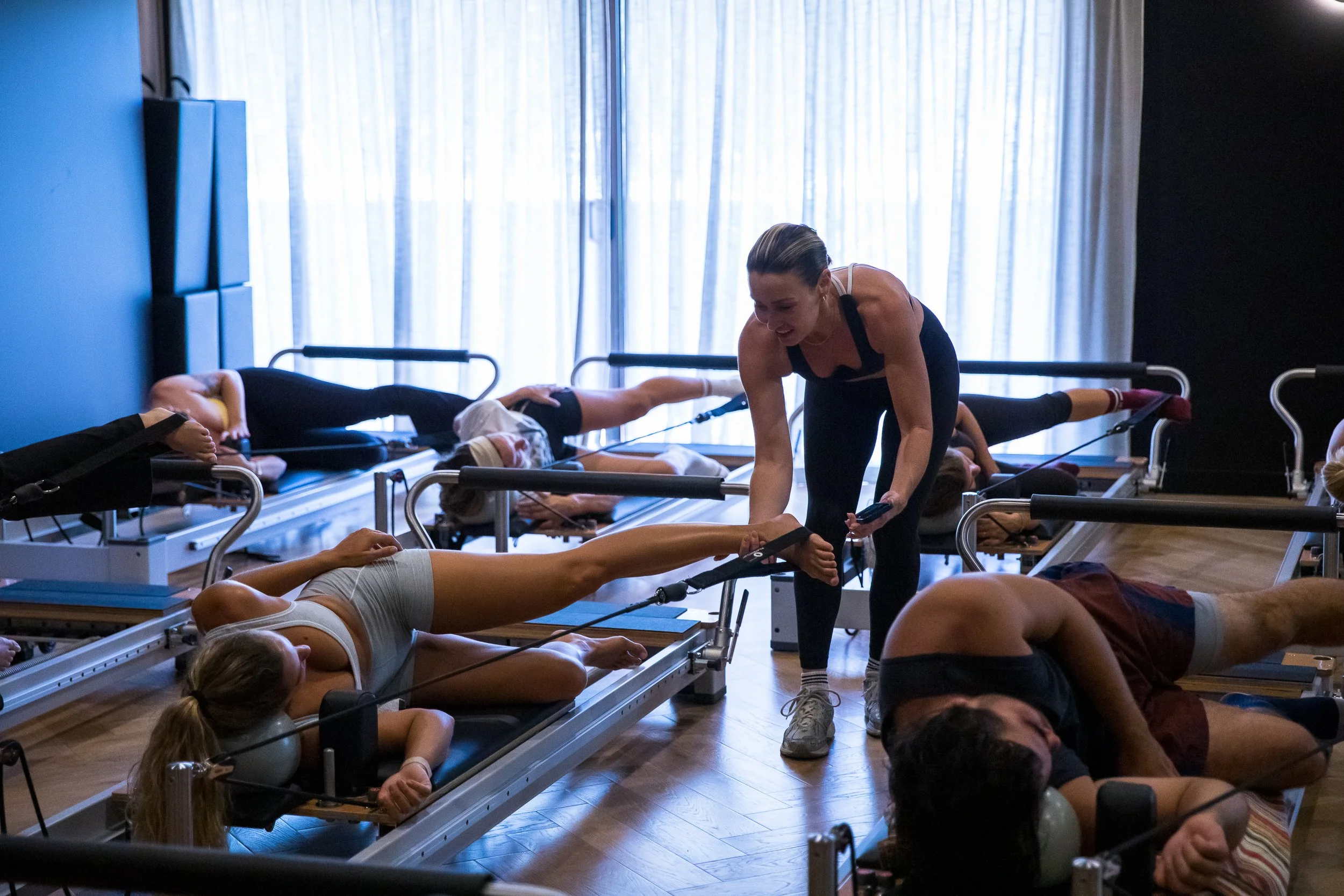
improving core stability for lifts like squats and deadlifts
increasing mobility through the hips, spine, and shoulders
correcting imbalances that can stall progress or cause pain
reinforcing proper movement patterns under load
building muscular endurance that supports longer training sessions
When paired with gym or weight-based sessions, many people find they:
lift with more confidence
feel stronger and more coordinated
recover faster between sessions
This is why athletes and strength-focused members increasingly use Pilates as part of their weekly structure, not as an occasional add-on.
The role of structure and progressive classes
Another reason Reformer Pilates is so effective is progression.
The structured classes at Social Remedy follow a logical, layered pathway:
foundational movement and control
gradual increases in resistance and complexity
consistent reinforcement of technique
This creates momentum. You’re not guessing what to do or jumping between random workouts. Over time, this structure builds physical confidence, trust in your body & consistency in your routine.
For many people, this sense of progress is just as important psychologically as it is physically.
Balancing Reformer Pilates, gym training, and recovery
The most effective routines are balanced — not extreme.
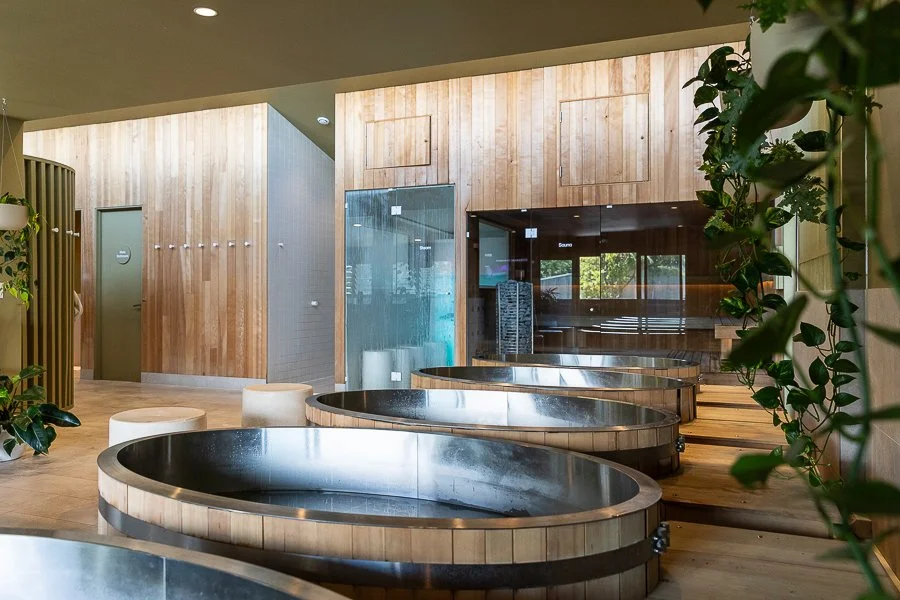
A well-rounded week might include:
2–3 gym or strength sessions
1–3 Reformer Pilates classes
at least one intentional recovery session
Recovery is not a luxury; it is part of the training process. Heat, cold, and nervous-system-calming practices support:
muscle repair
reduced inflammation
better sleep
improved training quality
When recovery is built into your ritual, it becomes consistent rather than optional. The results speak for themselves, and it becomes harder to go back to a training routine without recovery.
Why this approach supports long-term confidence
Confidence in training doesn’t come from pushing harder every session.
It comes from:
understanding your body
feeling supported rather than depleted
seeing steady progress over time
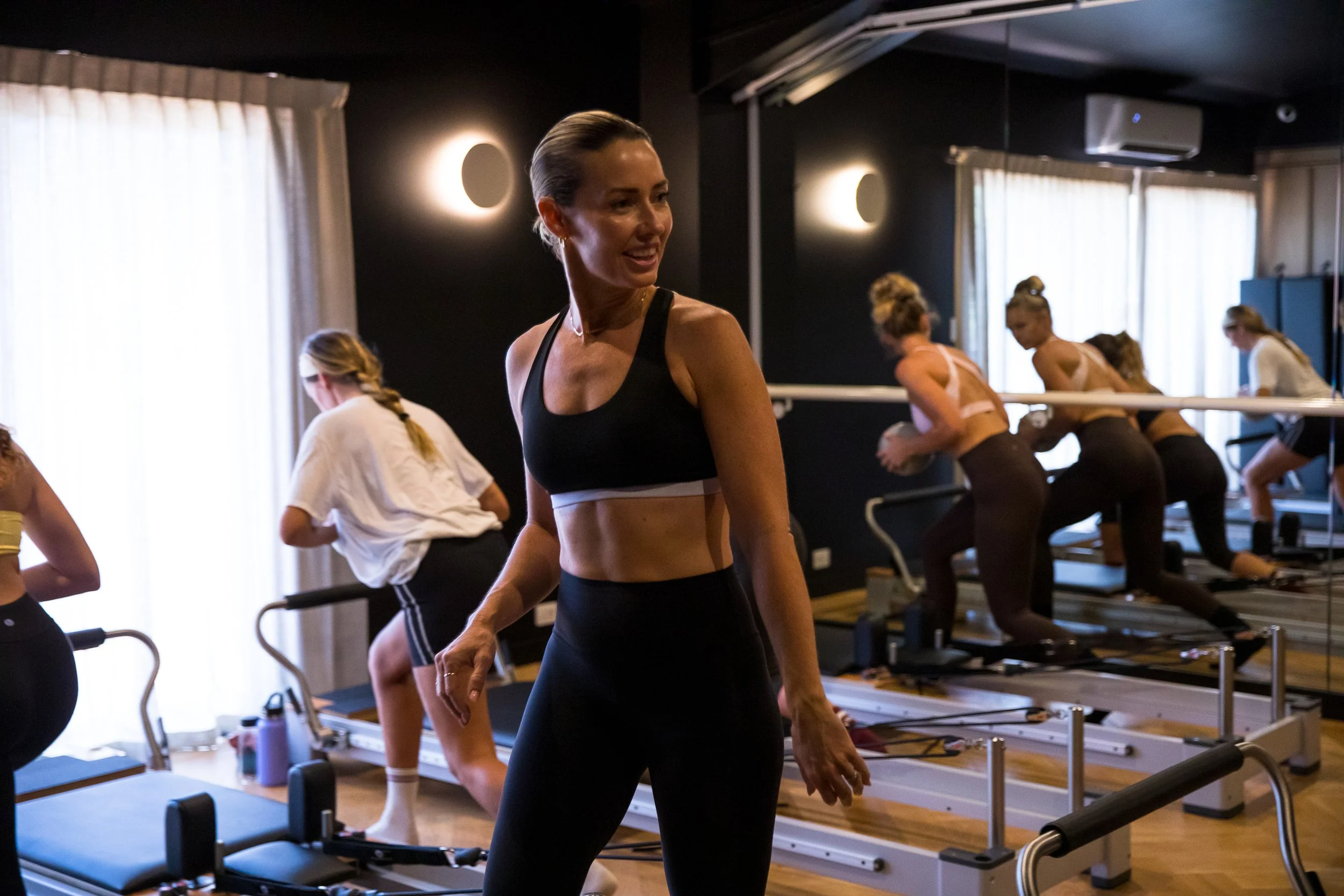
Reformer Pilates, combined with strength training and regular recovery, creates a feedback loop where you feel capable, resilient, and motivated to keep showing up.
That consistency is where real results come from.
Our favourite cliche: Train smarter, not harder
If you’re looking for a way to train that builds strength, supports your body, and fits into a sustainable lifestyle, Reformer Pilates is a powerful place to start — especially when integrated with gym training and recovery.
Our Limitless membership is designed to support this balance, with access to Reformer classes, mat pilates, functional fitness classes, 24/7 gym, and one recovery session per week built in.
To explore whether this approach is right for you, take a look at our membership options and see how structured training and recovery can work together.
Missed the Sculpt Division Launch Party? Relive the day with us here 🖤
Article Sources
AusActive State of the Industry Report, Active Health Strategy updates
IBISWorld Gyms and Fitness Centres in Australia (2024–2025)
Deloitte Global Health Care Outlook 2024/2025
Future of Wellness Report 2024
Les Mills Global Fitness Consumer Survey 2024
Social Remedy internal members survey 2025
Cruz-Ferreira et al., Journal of Bodywork and Movement Therapies (2011)
Wells, Kolt & Bialocerkowski, Sports Medicine (2012) – Systematic Review
da Luz et al., Clinical Rehabilitation (2014)
Engers et al., Journal of Sports Rehabilitation (2016)
